

Disabled Vegan Expo
Where animal liberation and disability justice meet.
Together, we can build an animal rights movement that centers disabled activists, dismantles ableism in our own ranks, and treats disability justice as inseparable from animal liberation.
Saturday, Oct. 10 | 11 a.m.–2 p.m. CT | Free on Zoom
2026 Schedule
| Time (CT) | Session |
|---|---|
| 11–11:05 a.m. | Welcome Kyle Luzynski (he/him) |
| 11:05–11:30 a.m. | An Accessible Theory of Animal Politics Dr. Paulina Siemieniec (she/her) |
| 11:30 a.m.–12 p.m. | Connection: Veganism, Disability, and Finding Another Way In Erin (she/her) |
| 12–12:25 p.m. | By Any Means Possible for the Animals: An Awareness of Creative Ideas for Power Wheelchair-Using Animal Activists Robert A. Rieck Jr. (he/him) |
| 12:25–12:35 p.m. | Break |
| 12:35–1 p.m. | Songs of the Gorilla Nation Dawn Prince Hughes (she/they) |
| 1–1:30 p.m. | The Disabled Joy of Us Animals Phoenix Huber (she/her) |
| 1:30–1:55 p.m. | pattrice jones |
| 1:55–2 p.m. | Concluding remarks Kyle Luzynski (he/him) |

2026 Speakers

Dr. Paulina Siemieniec (she/her)
An Accessible Theory of Animal Politics
11:05–11:30 a.m. CT
In this keynote, Dr. Paulina Siemieniec presents her Political Theory of Accessibility and Care for Animals, which bridges disability theory and the animal politics literature. She proposes rethinking political agency as an accessibility issue for animals, rather than as a matter of humans politically including animals on the basis of their cognitive or social membership.
Because care (relationships, practices, and interactions) is the most common site where humans socially, materially, and legally make the exercise of agency inaccessible for animals, she argues that the reverse can also be true: care has the potential to be a central way in which humans relate to animals as free and agential beings.
About Paulina
Dr. Paulina Siemieniec is a Fellow at the Oxford Centre for Animal Ethics, an APPLE Fellow at Queen’s University, and a former Visiting Researcher Fellow at the Cambridge Centre for Animal Rights Law. She currently teaches at Laurentian University and is writing a textbook at the intersection of animal philosophy and law. She is the first to introduce and develop a theory of sexual and reproductive rights for animals. Her research interests include intersectional feminist theory, disability theory, animal ethics, law, and politics.
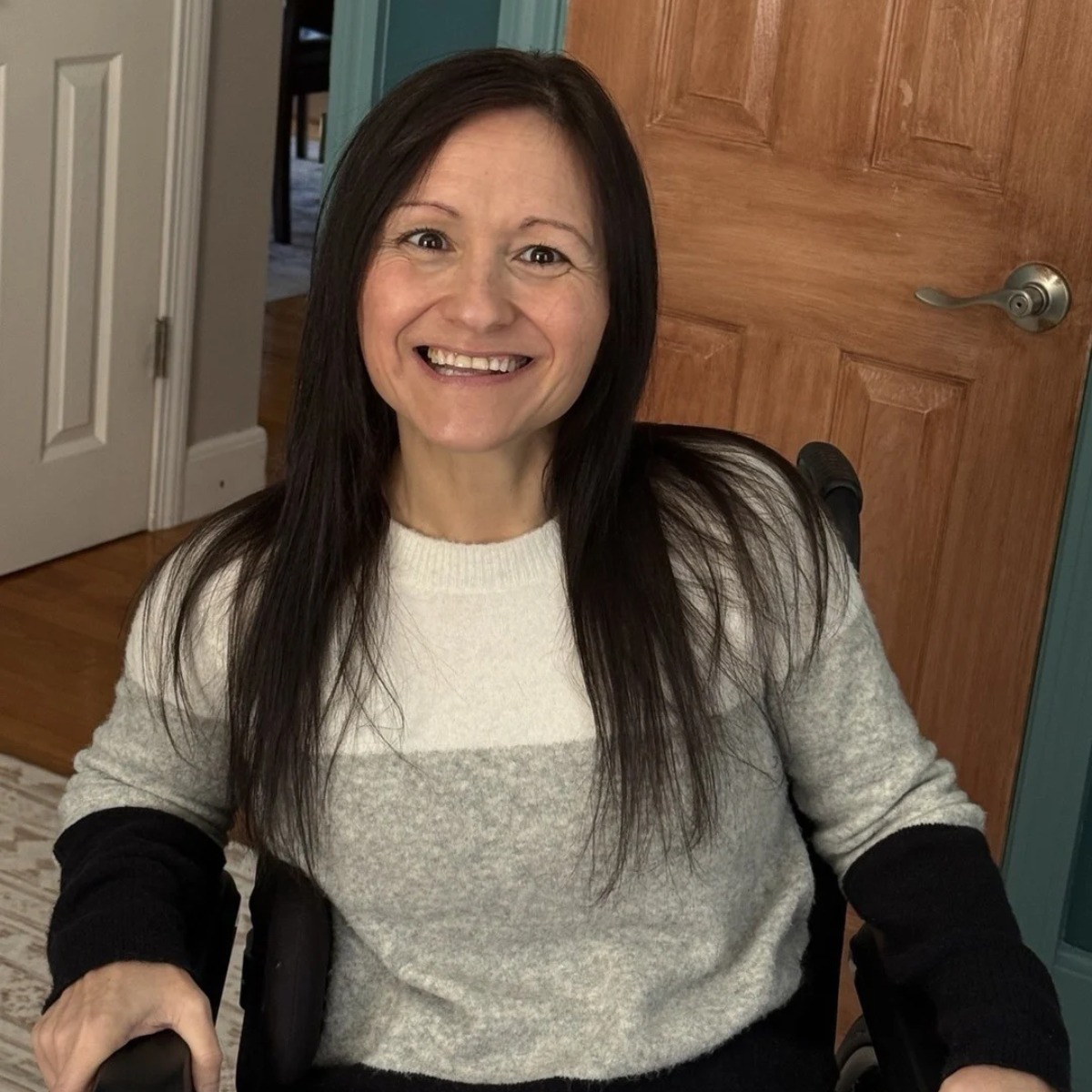
Erin (she/her)
Connection: Veganism, Disability, and Finding Another Way In
11:30 a.m.–12 p.m. CT
Erin shares how years of disconnection from her own body, including a long history with an eating disorder, eventually became part of a much larger story about connection.
She talks about surviving strokes, becoming vegan in one version of her disabled body, and what happened when her vision, mobility, and support needs later changed. Through stories about her partner, Jamie, her dog, Toby, food, disability, accessibility, support, and technology, she explores the connections she began making between the animals she loved, the animals she ate, her own body, and the people around her.
She also shares how tools like Voice Control, text-to-speech, visual cues, and AI have become part of the accessibility that allows her to communicate, create, and even prepare for a presentation like this one.
At the heart of the talk is a question that has followed her far beyond veganism: “I didn’t know yesterday. I know today. What am I going to do with that information?”
For Erin, veganism didn’t cure her disability or erase her past. It made her start asking better questions, and somewhere along the way, she found a new way to use her voice.
About Erin
Erin is the creator of That Vegan Disabled Gal, a platform centered on education, compassion, and awareness at the intersection of veganism, disability, and accessibility. She is a graduate of Emerson College, where she studied Communication Management and Public Policy.
After years of struggling with an eating disorder and putting her body through significant harm, Erin had her first stroke in 2010 and later a second stroke. Although she was never given one definitive cause for the strokes, that history became an important part of how she eventually began thinking differently about food, her body, care, and accountability.
Years later, while already disabled, Erin became vegan with her partner, Jamie. As her vision, mobility, and access needs continued to change, she had to find new ways to participate, communicate, and create. Through accessibility tools, technology, support, and a lot of trial and error, she found a new way to use her voice, and that voice became That Vegan Disabled Gal.

Robert A. Rieck Jr. (he/him)
By Any Means Possible for the Animals: An Awareness of Creative Ideas for Power Wheelchair-Using Animal Activists
12–12:25 p.m. CT
Robert shares his personal journey as a C5 quadriplegic and full-time animal rights vegan activist, demonstrating that physical disability does not have to prevent meaningful activism. He highlights the creative, accessible ways he has adapted traditional activism, and how building relationships, meeting people where they are, and using technology can create opportunities to communicate effectively for animals.
Most importantly, his presentation encourages other activists to think creatively about their own abilities and discover ways they can make their voices, and their actions, count for animals.
About Robert
Robert A. Rieck Jr. is a passionate advocate, animal rights activist, and beacon of resilience from Lincoln, Nebraska. A C5 quadriplegic since 1996, he has transformed personal tragedy into a mission of empathy, service, and advocacy. Beyond his dedication to animal rights and social justice, Robert exemplifies the power of attitude in overcoming life’s challenges. Drawing from his experiences, he crafts narratives that inspire, challenge, and connect, making him not just an author but a storyteller for the ages. He is the author of Spoken: A Memoir Sprinkled With a Little Quadriplegia.

Dawn Prince Hughes (she/they)
Songs of the Gorilla Nation
12:35–1 p.m. CT
Before she was identified as autistic, Dawn had a very hard time with life, as so many autistic people do. She ended up homeless and wandering, finally landing in Seattle, where she had the unexpected experience of immersing herself in a group of captive gorillas. That decade-long association became the foundation for going back to school and eventually earning a PhD in anthropology.
Now, thanks to the gorillas, Dawn speaks out against zoos and all other forms of animal imprisonment and exploitation.
About Dawn
Dawn Prince Hughes is an autistic anthropologist, author, and animal advocate. By the time she reached 15, coming out as queer and arguing for animal rights in a tiny Montana cattle town, she was forced to leave home and then lived homeless off and on for about five years. She eventually made her way to Seattle after traveling the country, and through a series of synchronicities met a captive group of gorillas who restored her personhood.
After earning a PhD in anthropology based on her cultural studies with gorillas and other sentient beings, Dawn now argues against zoos and all forms of animal imprisonment. After decades as a vegetarian, she went vegan over a decade ago. She currently co-directs the Cultural Autism Studies program at Yale, where she also runs the group “Autism and Animality.”
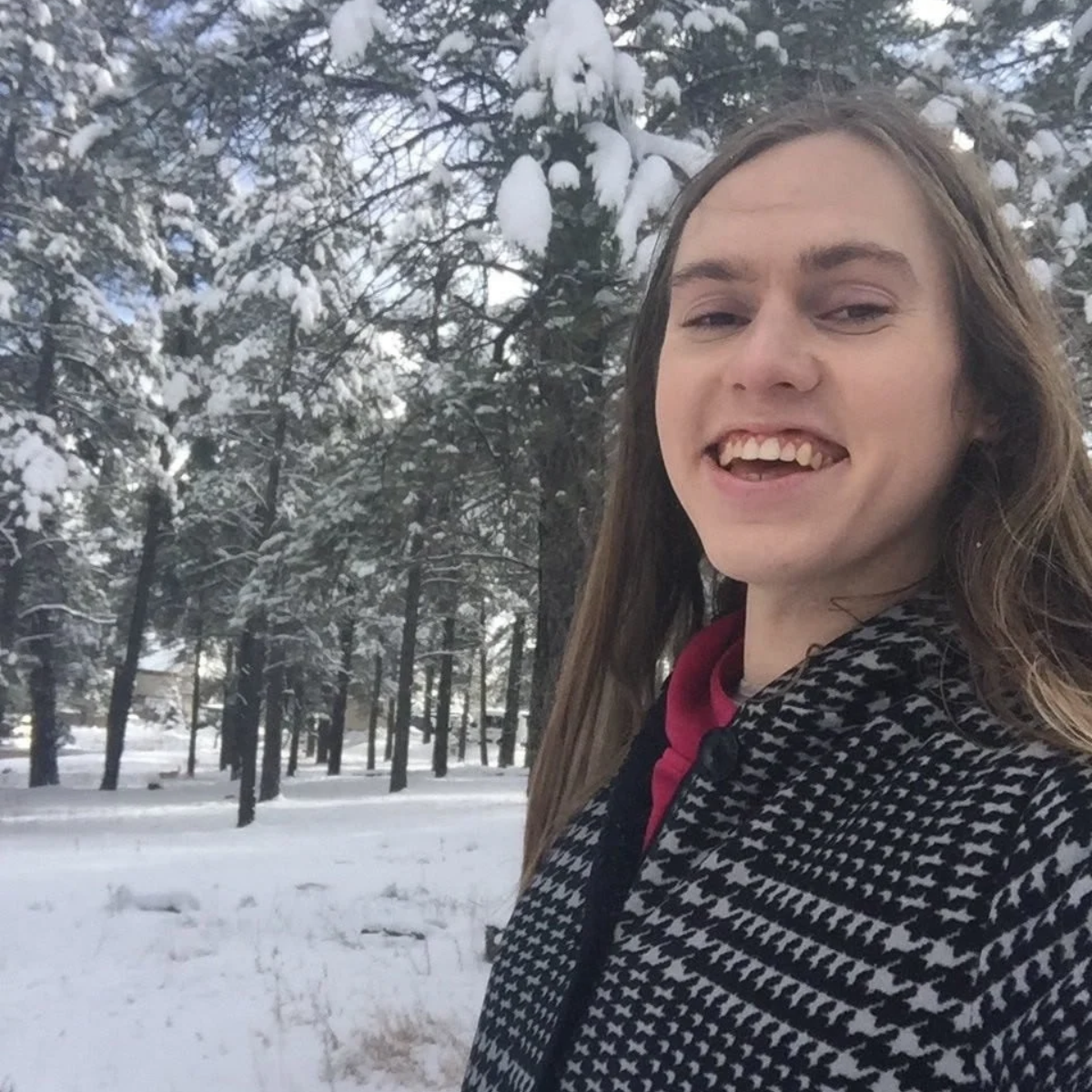
Phoenix Huber (she/her)
The Disabled Joy of Us Animals
1–1:30 p.m. CT
Rather than asking how individuals can overcome our disabilities, this talk asks: What if we imagine a world where diverse beings can thrive exactly as we are? Phoenix describes the moments when she recognized disabled self-worth, and joy, in herself and in fellow animals, and she invites you to do the same, shedding light on more powerful ways we might advocate for veganism.
Attendees will leave this interactive talk with a richer understanding of disability, a deeper sense of connection with other animals, and practical inspiration for building a more compassionate world for all beings.
About Phoenix
Phoenix Huber is a writer, vegan advocate, and student of disabled joy. As a neurodivergent transgender woman with a vocal impairment, Phoenix has felt how animals’ and humans’ voices become silenced based on differences in ability. Her long COVID and chronic symptoms have invited her to heal the ableism within and grow better supportive of other beings’ uniqueness. Through storytelling and reflection, she aims to witness the sensitivity, dignity, power, self-worth, and joy of us one-of-a-kind animals. She lives in Arizona on O’odham land and believes that a kinder world opens when we can love, rather than fear, our beautiful vulnerability, diversity, and interdependence.
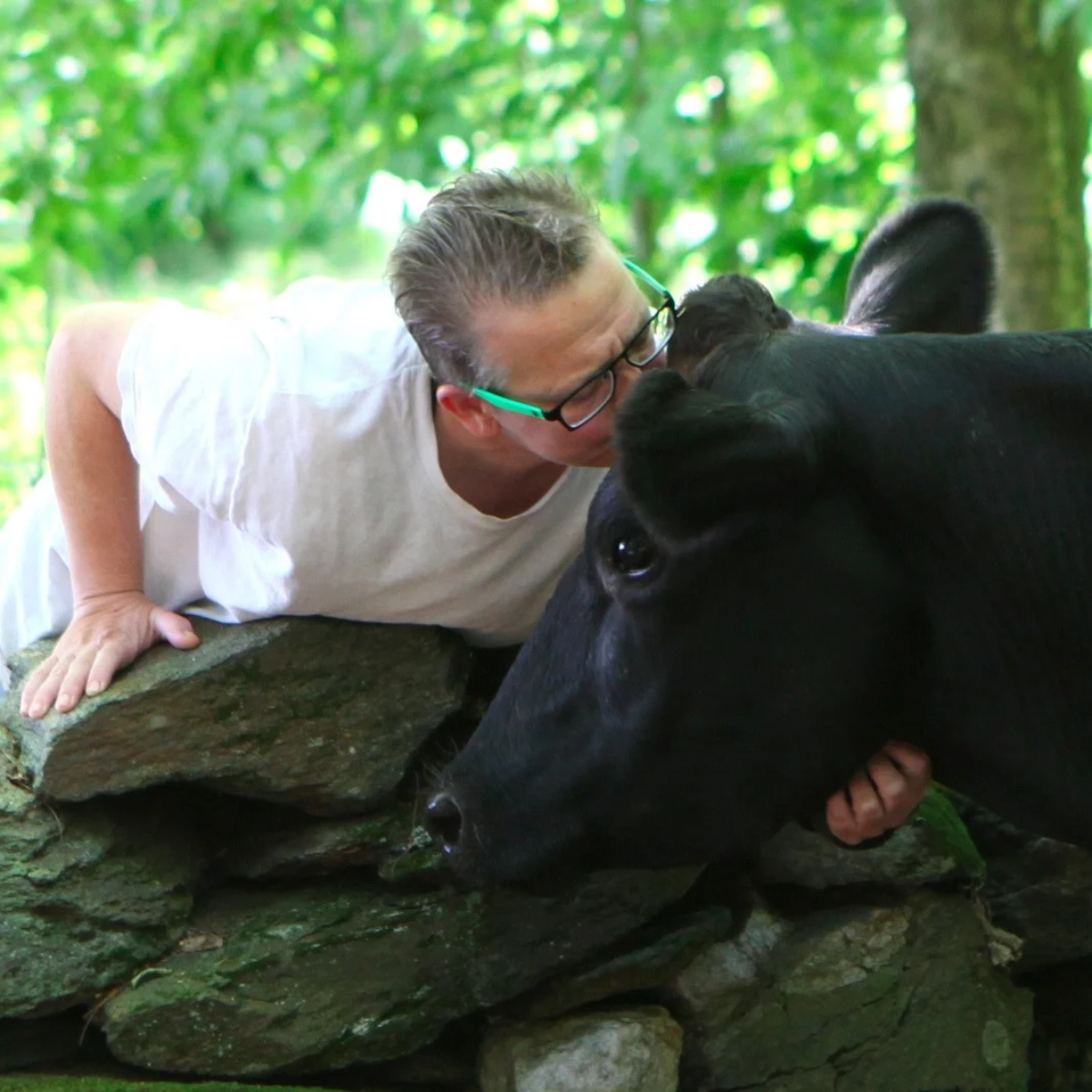
pattrice jones
TBA
1:30–1:55 p.m. CT
About pattrice
pattrice jones is the co-founder of VINE Sanctuary, an LGBTQ-led farmed animal sanctuary in Springfield, Vermont, that works at the intersection of animal liberation and social justice. An ecofeminist writer and longtime organizer, she is the author of The Oxen at the Intersection and Aftershock: Confronting Trauma in a Violent World.

A message from our founder and expo emcee, Kyle Luzynski
Howdy, y’all! I’m Kyle, and I hope you attend our Disabled Vegan Expo this year! After experiencing significant ableism in the movement, it’s vitally important to me that we build inclusive spaces for autistic folks and other disabled people.
Please join me and advocates from across the country as we fight to build a more inclusive movement for disabled people of all backgrounds.
-
Yes. There is no ticket, no suggested donation at the door, and no upsell. Register, get the Zoom link, show up. If you want to support the work afterward, we’ll never say no, but it is not a condition of attending.
-
No. The expo centers disabled vegans and activists, and everyone is welcome. If you are nondisabled, come to listen and learn; this is a rare chance to hear disabled activists speak for themselves rather than be spoken about.
-
No. Some of our best conversations happen with people who are vegan-curious, plant-based for health, or just interested in the overlap between disability justice and animal rights. You will not be lectured at. You will be asked to think.
-
Only if you want to be. Cameras and microphones are optional for the whole event. You can keep both off and still ask questions in the chat.
-
Type it in the Zoom chat during their talk. Kyle, our moderator, will gather questions and put them to the speaker in the time left at the end of each session. If we run out of time, we’ll pass the unanswered questions to the speaker afterward.
-
Yes. Every session has a fixed start and end time, posted in the schedule above, so you can join for the talk you want and leave when it ends. Nobody will notice or mind.
-
Yes. We are recording the full expo and publishing it to Facebook, YouTube, and Google Drive afterward, so you can watch whatever you missed on your own schedule.
-
Yes, live captions for the entire event. We are still looking for ASL interpretation; if you can help, email Kyle at the address in the accessibility section.
-
It is on its way. We send the link and speaker information to every registrant before the expo. If you haven’t received it by Friday, Oct. 9, check your spam folder, then email kyle.luzynski@projectanimalfreedom.org and we’ll resend it.
-
Please do. Forward the link, post it in your group, screen it with your students. The expo exists to reach people who haven’t thought about this intersection yet, and you know who those people are better than we do.
-
Project Animal Freedom, a St. Louis-based nonprofit working toward a vegan Midwest. We created the Disabled Vegan Expo in 2024 because no one else in the animal rights movement was doing it, and we intend to keep doing it every year until that is no longer true.
Frequently Asked Questions
Why the Disabled Vegan Expo?

When we first had the idea for a Disabled Vegan Expo, we checked to see if something like it already existed.
While organizations like VINE Sanctuary already do a significant amount of community organizing at the intersection of animal liberation and disability justice, we found nothing built specifically for disabled vegans on the scale of a summit or expo.
But disabled vegans deserve a platform they can own, where we can discuss our experiences, address our needs, and ensure the animal rights movement reflects the diversity of the activists who compose it.
Disabled vegans experience ableism not only in their everyday lives, but all too often in the advocacy spaces they join. The Disabled Vegan Expo exists so we can share those experiences and strategize how to build a more inclusive movement.
After debuting in 2024, the Disabled Vegan Expo skipped 2025, but we intend to make this event annual once more. This year, we had the opportunity to award honoraria 4x bigger than usual thanks to the support of a couple of disabled donors.
If you would like to support Project Animal Freedom and our intersectional vegan advocacy, please consider donating here. Your donation will help power events like our Disabled Vegan Expo, Gay Vegan Expo, and Vegan Climate Summit.
What are you waiting for? Help us build a more resiliently anti-ableist animal rights movement today!
At Project Animal Freedom, we are dedicated to making our expo, programs, and other services as accessible as possible. Here is what we are doing to make this expo more accessible:
We are keeping the expo online and free. Instead of hiding the expo behind a paywall, we are keeping it free and open to everyone with an internet connection.
We are recording the expo and publishing it to Facebook, YouTube, and Google Drive. This way, you can access and rewatch whatever you like on your own schedule, at your own pace.
We are providing live captions. These captions will run for the entire event.
We are sharing as many materials in advance as possible. Registrants receive the Zoom link and speaker information in advance, so you can preview, pace yourself, and plan.
We are offering flexible participation. Cameras and microphones are optional, and you are welcome to share questions in the chat.
We are building one explicit break into our program. That way you have more time to attend to your needs in between both halves of the event.
We are sticking with our schedule. Every session has a fixed start and end time, and we will do our best to keep to them.
We are working to make our social media posts and website more accessible. For example, we are adding alt text to all the images on this page and social media posts surrounding this event.
That said, we know we can do more to make our events even more accessible, and we encourage you to email Kyle at kyle.luzynski@projectanimalfreedom.org for any accommodation needs not listed above or for any questions about any of this. In particular, we need help with ASL interpretation. If you or someone you know could help us with this need, please use the email above.